Waterproof Drywall for a Basement in Canton, MA
By Canton 24/7 Plumbing, 2026
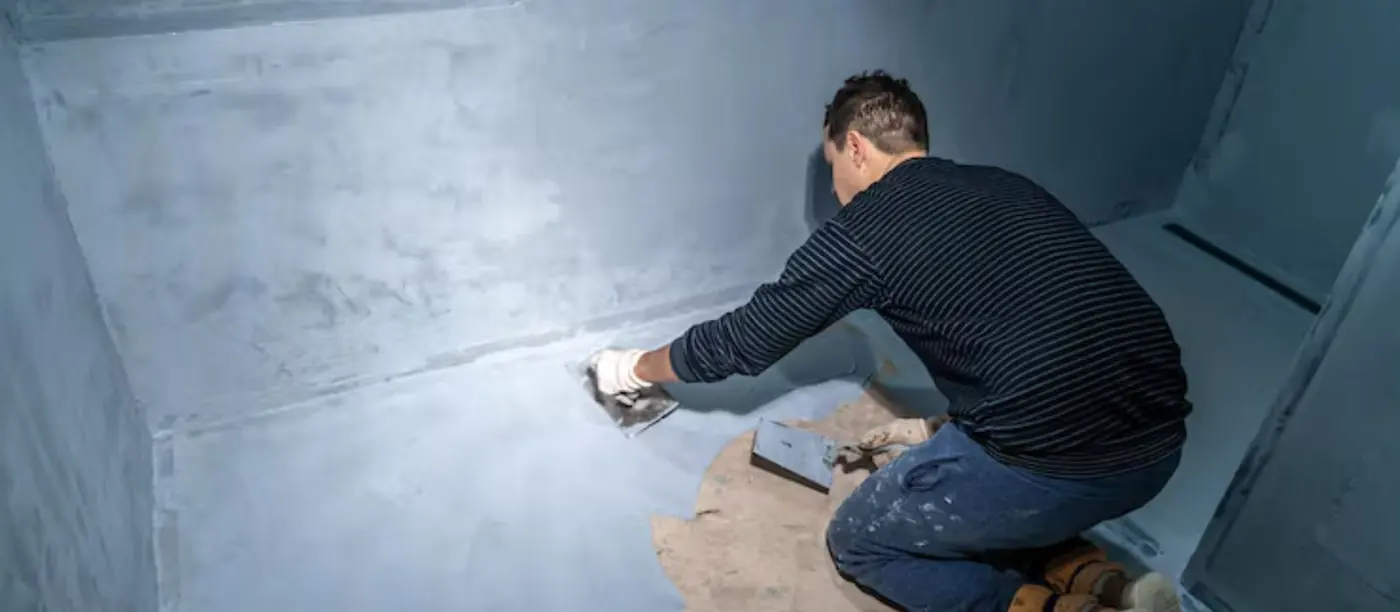
Here is the blunt answer first: there is no such thing as waterproof drywall. Paper-faced gypsum board soaks up water, and even the moisture-resistant types only tolerate humidity, not flooding. If you are finishing a basement in Canton, MA, the real question is which wall system will survive the moisture you have.
That answer depends on where the moisture comes from, how much arrives, and whether you can stop it before building the wall. This guide covers how to test, which materials to choose, how to hang them with a gap above the slab, and when to stop and bring in a waterproofing contractor.
Test the wall before you buy a single sheet
Tape a two-foot square of clear plastic sheeting tight to the bare concrete wall and another to the slab, sealing all four edges. Leave them 24 to 48 hours. Moisture under the plastic means water is moving through the concrete. Droplets on the room side mean the air is simply humid.
A pin-type moisture meter gives a number on wood and drywall, and a hygrometer shows room humidity. White, chalky deposits on the block or concrete, called efflorescence, mean water has been moving through and leaving minerals behind.
Test after a heavy rain or during the spring thaw, since a dry week hides the problem. One dry reading in August proves very little.
Wall materials compared for a damp basement
Pick by what a wall can survive if it gets wet, not by the label on the board.
| Material | What it handles | Where it falls short |
|---|---|---|
| Standard paper-faced drywall | Dry, conditioned rooms | Paper feeds on moisture and swells. Poor choice below grade |
| Moisture-resistant (green or purple) board | Humidity, splashes | Paper face still wicks water. Not for any wall that may flood |
| Paperless or glass-mat gypsum | Humidity and brief wetting without paper facing | Core still softens if soaked for long |
| Cement board | Direct water, tile walls | Heavy, harder to cut, and not a finished surface by itself |
| Rigid foam board (XPS) behind framing | Blocks vapor from masonry, insulates | Needs fire-rated cover where code requires |
| PVC or composite wall panels | Repeated wetting, easy to clean | Look is utilitarian, seams must stay tight |
Fix the water first, or finish and hope
Finishing a wet basement is the most common mistake. These two paths lead to very different results.
Fix the source, then finish
- Gutters and downspouts discharge away from the wall
- Soil slopes away from the foundation
- Sump pit and pump work and cycle correctly
- Wall passes the plastic-sheet test twice
Finish first and the wall pays
- Trapped moisture grows mold behind the board
- Bottom of the sheet wicks water and crumbles
- Paint blisters and peels off the face
- You tear it all out at the next storm
How to build a basement wall that tolerates moisture
This is a general sequence for a DIY-capable homeowner. Check local requirements before you begin.
Seal and dry the shell
Wire-brush efflorescence, patch cracks with hydraulic cement, and apply a masonry waterproofing coating on the interior only as a supplement, since it does not replace exterior or drainage fixes.
Add a vapor and thermal layer
Glue or fasten rigid foam board to the masonry, taping the seams. This keeps the framing from touching cold, damp concrete.
Frame off the slab
Use pressure-treated bottom plates, or a plate set on a sill gasket, and keep wood off bare concrete. Leave the studs a small gap from the foam.
Hang the board with a gap
Cut the drywall about a half inch short of the slab so water cannot wick up from the floor. Cover the gap with a trim piece or a removable base.
Finish with the right products
Use mold-resistant joint compound, a primer rated for damp areas and vapor-open paint. Skip carpet against the wall and pick a floor you can dry.
Mold and moisture: what a homeowner can and cannot tell
Mold needs moisture, an organic surface and time. Removing the first element is the most practical control, which is why testing and drying come before finishing. Dehumidifiers help on a humid day, but they are not a substitute for stopping liquid water.
Small patches on a nonporous surface can be cleaned by following product directions. A large area, a musty smell with no visible source, or mold on drywall means the wall should be opened and the cause found. This page makes no health claims, and anyone with concerns about air quality in the home should speak with a doctor or an environmental testing professional.
A moisture meter shows where it is wet. It cannot tell you why. That is the plumber's or waterproofing contractor's job.
When to stop and call a professional
Stop if you see active water coming through a crack, a wall that bows inward, a horizontal crack along a block course, or water that returns after rain no matter what you try. Those are structural or drainage problems that wall materials cannot hide.
If the floor is wet around electrical outlets, a panel or a furnace, stay out and shut power off only if you can reach the breaker without stepping in water. If you smell gas or see sparks, leave and call 911. For persistent seepage, our basement waterproofing team can look at drainage, and a failing pump is covered under sump pump repair.
Insurance usually excludes slow seepage and groundwater, while a sudden burst pipe is often covered. Policy wording decides, and a note in the file with photographs helps either way.
Cost factors, not numbers
The wall itself is rarely the big cost. Drainage work, crack repair, a pump, insulation and fire-rated finish layers move the total. Cement board and foam cost more than plain drywall, and labor rises with ceiling height, obstacles and how much wall is below grade.
A site visit shows how much of the budget belongs under the wall before any board goes up. The real number comes from a call.
Canton, MA: wetlands, ponds and the thaw
Canton lies at the foot of Great Blue Hill. The Canton River strings together ponds, including Bolivar Pond and Forge Pond, before reaching the Neponset River, and wetlands are concentrated in the east along Route 138 and in the west along I-95. If your basement is in or near one of those corridors, assume the wall may see real moisture and test it, because a nearby wetland is a reason to measure rather than a diagnosis.
Winters bring freezing weather and nor'easters, and spring thaw and heavy rain load basements. That means the best time to test a wall is right after a thaw or a long rain. Mark the date and the readings, because one test season does not predict the next.
Canton's housing is mostly single-family, with much of its building from the mid to late 20th century, according to the town's housing plan. This page does not know the age or foundation type of your house, so check yours directly: poured concrete and block walls behave differently, and a contractor can tell you which you have.
Sources: Geography and history reference (Wikipedia, MWRA), Canton Housing Production Plan 2025 (Mass.gov, housing data)
Canton, MA questions on this topic
Is purple or green drywall safe for a Canton basement wall?
It resists humidity better than standard board, but the paper face still takes up water and the core can soften if soaked. Use it above a drained, dry wall, never as a flood-proof solution. For any wall that could get wet, choose paperless, cement board or panels.
Should I finish a basement near a Route 138 or I-95 wetland?
You can, but test first. Wetlands run mainly along Route 138 and I-95, and those locations make wet-season moisture a real possibility. Run the plastic-sheet test after heavy rain and fix drainage before you buy any board.
How far should drywall sit above the basement floor?
Leave about a half inch between the bottom of the sheet and the slab, covered by a trim or removable base. The gap stops the board from wicking water that lands on the floor, and it lets a small leak be dried instead of rotting the wall.
Do I need a permit to finish a basement in Canton?
Framing and drywall are a building matter, and electrical or plumbing changes carry their own permits. Under the state plumbing rule, plumbing work generally needs a permit. Ask the Canton Building Department about your specific job before you start.
Will a dehumidifier solve a damp basement wall?
It helps with humid air, not with liquid water moving through the wall. If the plastic-sheet test shows moisture coming through the concrete, a dehumidifier will run constantly and the wall will keep getting wet. Fix the source first, then use it to hold humidity down.
Related services and nearby towns
Persistent seepage is a job for basement waterproofing, and a pit that cannot keep up needs sump pump repair. Homeowners in Sharon can see how we serve Sharon, and Stoughton readers can find plumbing help in Stoughton, both on the same dispatch.
Sources and standards
These are the primary sources this page relies on. Anything not listed here is general plumbing practice, and local rules should be confirmed with the town.
- Town of Canton Building Department, online permitting page (plumbing and gas permits)
- Canton Water/Sewer Division 2023 water quality letter, distributed through the MWRA community page
- Canton Housing Production Plan 2025, published on Mass.gov
- Geography reference for Canton, MA (Wikipedia and MWRA)
Plumbing problem in Canton right now?
Call the 24/7 line. You hear a clear price before work starts.
Call (617) 752-0573